Source Digital TV Broadcasting RF Modulator for Cable, Satellite, and IPTV
Explore 30 verified options for the digital tv broadcasting rf modulator designed for cable, satellite, and IPTV systems. Buyers can compare specifications, certifications, and pricing to find the right signal transmission equipment for their needs; compare the available evidence and request quotations based on your requirements.
Key considerations
Products List


$6200.00 - $7700.00
Moq: 1


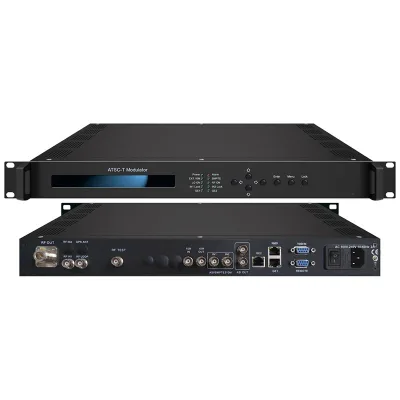


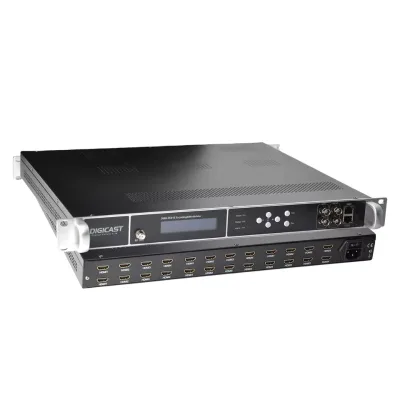
Comprehensive Sourcing Guide
Digital TV Broadcasting RF Modulator Sourcing Guide
Procuring digital TV broadcasting RF modulators requires a clear understanding of the specific signal transmission needs within your facility. These devices function as critical signal transmitting and monitoring equipment, converting various input formats into standardized RF outputs for distribution. Buyers must distinguish between units designed for CATV infrastructure and those intended for specialized radio signal modulation or TV front-end applications. The market offers diverse models, such as the ZHC518D and ST-8631, each tailored to different channel capacities and frequency ranges.
Selection begins with defining the operational environment, whether it involves a single-channel conversion or a multi-channel setup like the 24-channel SDM24 unit. The physical form factor is equally important, with options ranging from compact 1U rack-mountable designs to larger professional chassis. Understanding the distinction between digital and analog conversion capabilities ensures the selected hardware aligns with your current broadcast standards. This initial clarity prevents costly mismatches between the modulator's output capabilities and the receiving infrastructure of your target audience.
Product Scope and Observed Listing Signals
The available inventory spans a wide spectrum of functional attributes, including signal transmission equipment and dedicated signal monitoring tools. Listings frequently highlight specific models like the WS-8901U and 8631 modulator, which support distinct frequency bands such as 950-2150MHz or 47-860MHz. Buyers should note that product types vary significantly, covering everything from general transmitters to specialized Ku Program wave range devices. This variety necessitates a careful review of the product type to ensure it matches the specific broadcast architecture you intend to deploy.
Packaging and origin data provide additional context for logistics planning, with items often shipped in paper boxes, wooden crates, or standard cartons. Origins are frequently cited as Hangzhou or Chengdu in China, indicating a concentration of manufacturing in these regions. Some listings specify detailed dimensions, such as 480mm in length, while others offer flexible shipping methods including sea, air, or express delivery. These logistical signals help buyers estimate lead times and shipping costs, which can vary based on the physical size and weight of the specific modulator unit selected.
Technical Specifications to Verify
Frequency range and output levels are the primary technical parameters that must be validated against your network requirements. Verified specifications include output frequencies spanning from 47MHz to 860MHz, with some units supporting higher bands up to 2150MHz. The output level is a critical metric, with observed capabilities reaching 102dBuV2dB, ensuring sufficient signal strength for distribution. Buyers must confirm that the input levels, such as 1.0vp-P for video and 1vp-P for audio, match the source equipment to avoid signal degradation or distortion during the modulation process.
Channel capacity and input interface compatibility are equally vital for system integration. Certain models support up to 24 RF channels, accommodating multiple simultaneous broadcasts, while others may be configured for single-item sales with specific HDMI inputs. The physical standard, often described as 1U or professional grade, dictates how the unit fits into existing rack systems. Additionally, the support for high-quality power supplies and 7x24 hour stability ensures continuous operation in demanding broadcast environments. Verifying these exact specifications prevents integration failures and ensures the modulator performs reliably under load.
Compliance and Safety Documentation
Certification status is a non-negotiable aspect of procurement, as listed products frequently display ISO, CE, and GS marks. These certifications indicate adherence to international safety and quality standards, which is essential for commercial deployment in regulated markets. Buyers should explicitly request proof of these certifications for the specific model number being purchased, as compliance can vary between production batches. The presence of ISO and CE marks suggests the equipment meets general electromagnetic compatibility and safety requirements, but verification is necessary to ensure the specific unit is covered.
Documentation regarding product standards and origin is also critical for customs clearance and regulatory compliance. Many units originate from Hangzhou or Chengdu and are built to professional standards, though specific national or industry standards should be confirmed. The product standard may be listed as 1U or professional, but buyers must ensure this aligns with local broadcast regulations. Furthermore, understanding the packaging standards, such as the 50x35x10cm carton or wooden box, helps in planning for safe transport and storage. Proper documentation ensures the equipment can be legally imported and operated without regulatory hurdles.
Cost Drivers and Commercial Terms
Pricing in this sector exhibits significant variance, with observed ranges extending from $0.69 to $7700 depending on the complexity and capacity of the unit. Factors influencing cost include the number of channels supported, the frequency range capabilities, and the build quality indicated by certifications. High-end models with 24-channel capacity and advanced modulation features command higher prices compared to basic single-channel converters. Buyers should analyze the total cost of ownership, considering that lower initial prices may correlate with reduced durability or limited feature sets.
Minimum Order Quantities (MOQ) and customization options also play a major role in commercial negotiations. The observed MOQ ranges from 1 to 1000 units, offering flexibility for both small-scale pilots and large-scale deployments. Customization is frequently available, allowing buyers to tailor specific attributes to their unique operational needs. However, custom orders may impact lead times and unit costs. Understanding these commercial terms helps in budgeting accurately and negotiating favorable terms that align with the procurement volume and specific technical requirements of the project.
Supplier Qualification and Quality Control
Supplier reliability is often inferred from the consistency of product attributes and the clarity of origin information. Listings consistently identify origins in Hangzhou and Chengdu, suggesting established manufacturing hubs with experienced production lines. Buyers should prioritize suppliers who provide clear evidence of their production capabilities and quality control processes. The availability of new condition products and specific packing methods like wooden boxes or cartons indicates a structured logistics approach. Verifying the supplier's ability to maintain consistent quality across different batches is essential for long-term operational stability.
Quality control extends to the verification of functional attributes and performance stability. Products are described as supporting 7x24 hour stability and high-quality power supplies, which are key indicators of robust engineering. Buyers should request test results or performance data that confirm these stability claims before finalizing a purchase. The presence of detailed specifications, such as precise dimensions and input levels, suggests a manufacturer that values precision. Ensuring the supplier can meet these quality benchmarks reduces the risk of equipment failure and minimizes downtime in critical broadcasting operations.
Long-Term Procurement Checks
Sustained procurement success depends on verifying the availability of spare parts and ongoing technical support. The market offers products with specific models like ZHC518A and ZHC368D, but buyers must ensure that these models remain in production or have viable replacements. Long-term support includes access to firmware updates or configuration tools that may be necessary as broadcast standards evolve. Establishing a relationship with a supplier who can provide consistent after-sales service is crucial for maintaining the integrity of the broadcasting infrastructure over time.
Future-proofing the investment requires monitoring the evolution of signal transmission standards and compatibility requirements. As the industry shifts towards higher digital standards, the modulator must remain compatible with new input formats and output frequencies. Buyers should assess the supplier's track record for innovation and their ability to adapt products to changing market demands. Regular reviews of the equipment's performance against current standards ensure that the investment remains relevant. This proactive approach to procurement management safeguards the broadcasting system against obsolescence and ensures continued operational efficiency.
FAQs
What certifications do these digital tv broadcasting rf modulators have?
These devices typically hold ISO, CE, and GS certifications to ensure compliance with international safety and quality standards. Such credentials verify that the signal transmission equipment meets rigorous manufacturing requirements. Buyers should verify specific model documentation to confirm which certifications apply to their procurement needs for reliable operation.
Can these modulators support 24 TV channels simultaneously?
Yes, specific models like the SDM24 are designed to output 24 channels of RF signal. This capacity allows for efficient analog-to-digital conversion and distribution in CATV systems. The equipment supports high-quality power supply and 24/7 stability, making it suitable for professional broadcasting environments requiring multiple channel outputs.
What is the frequency range for these signal transmission devices?
The frequency range generally spans from 950 to 2150 MHz for input signals and 47 to 860 MHz for RF output. This wide bandwidth supports various modulation types including Ku program signals. These specifications ensure compatibility with standard digital TV broadcasting infrastructure and professional signal monitoring requirements.
How are these digital modulators packaged for shipping?
Packaging varies by model, including paper boxes, wooden boxes, and carton packing. Some units are shipped via sea, air, express, or rail depending on logistics needs. Standard dimensions often align with professional equipment standards, ensuring safe transport. Buyers should confirm specific packing details with suppliers to match their shipping requirements.
Are customization options available for these broadcasting devices?
Customization is available for many of these signal transmission devices to meet specific project requirements. Buyers can request tailored specifications for frequency, channel count, or input types. This flexibility allows for precise integration into existing CATV or TV front-end equipment systems, ensuring optimal performance for unique broadcasting scenarios.
What input types do these digital TV modulators support?
These devices typically support audio and video inputs, including HDMI for digital sources. Some models handle specific video input levels with defined modulation percentages. This versatility allows connection to various source equipment, facilitating seamless signal transmission and conversion for professional digital TV broadcasting applications and monitoring systems.